
A solar power plant captures sunlight and converts it into usable electricity through advanced technologies. It’s not just an alternative anymore it’s becoming the main source of energy for homes, businesses, and even entire cities.
A solar power plant is a large-scale facility designed to generate electricity using sunlight. It uses solar panels (photovoltaic modules) to convert solar energy into electrical energy.
In simple terms, it’s a setup that turns free sunlight into usable power, either feeding it directly into the grid or storing it for later use.
Solar plants can be installed on rooftops, open land, or even floating over water bodies, depending on the scale and requirement.
Rising electricity bills are taking up more and more of our households and Industrial budgets. An efficient, dependable, and renewable source of energy via the installation of solar PV power system, will help you to slash your electricity bills.
There exist many factors to consider when choosing a solar PV power system for your home and Industries. This involves analyzing the solar Power plant installation cost, the different types of rooftop system available, the needs of your household , and more.
Here are the different types of rooftop solar systems that SOLARIZ GREEN POWER provides for residential and Industrial needs so that you can choose the one that works best for you requirements.
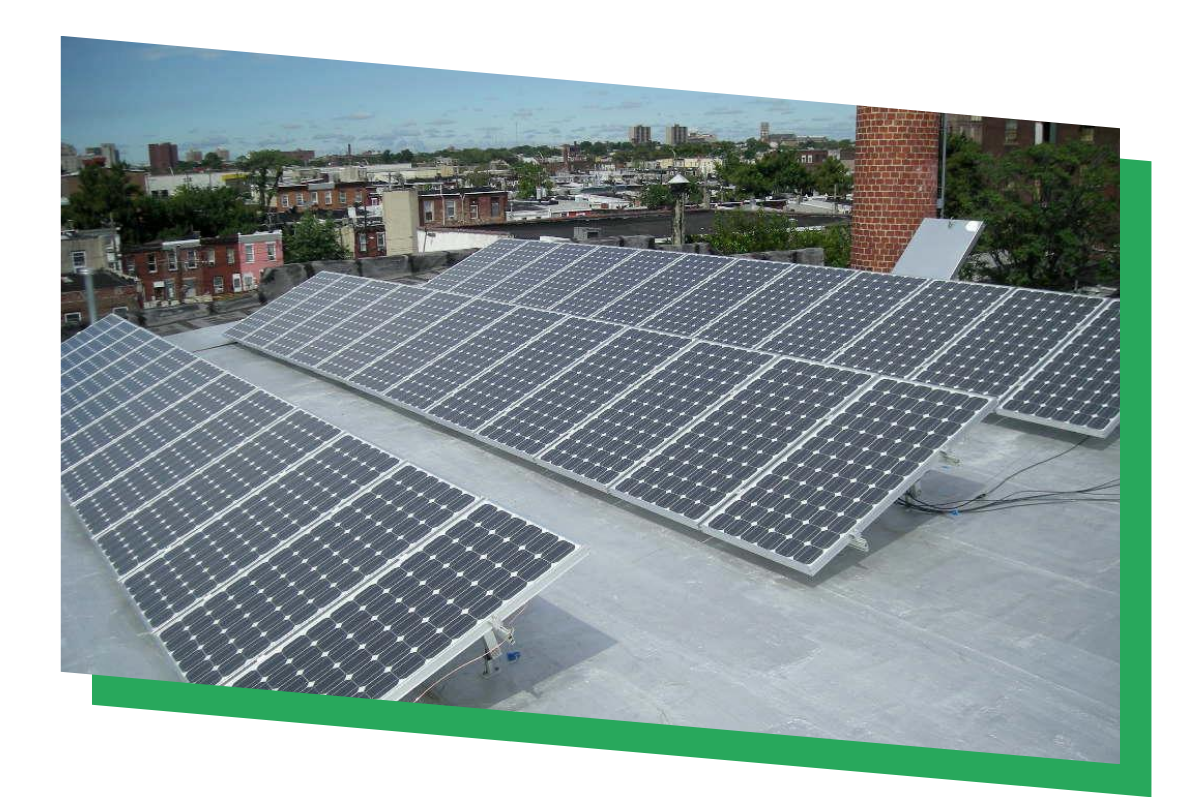
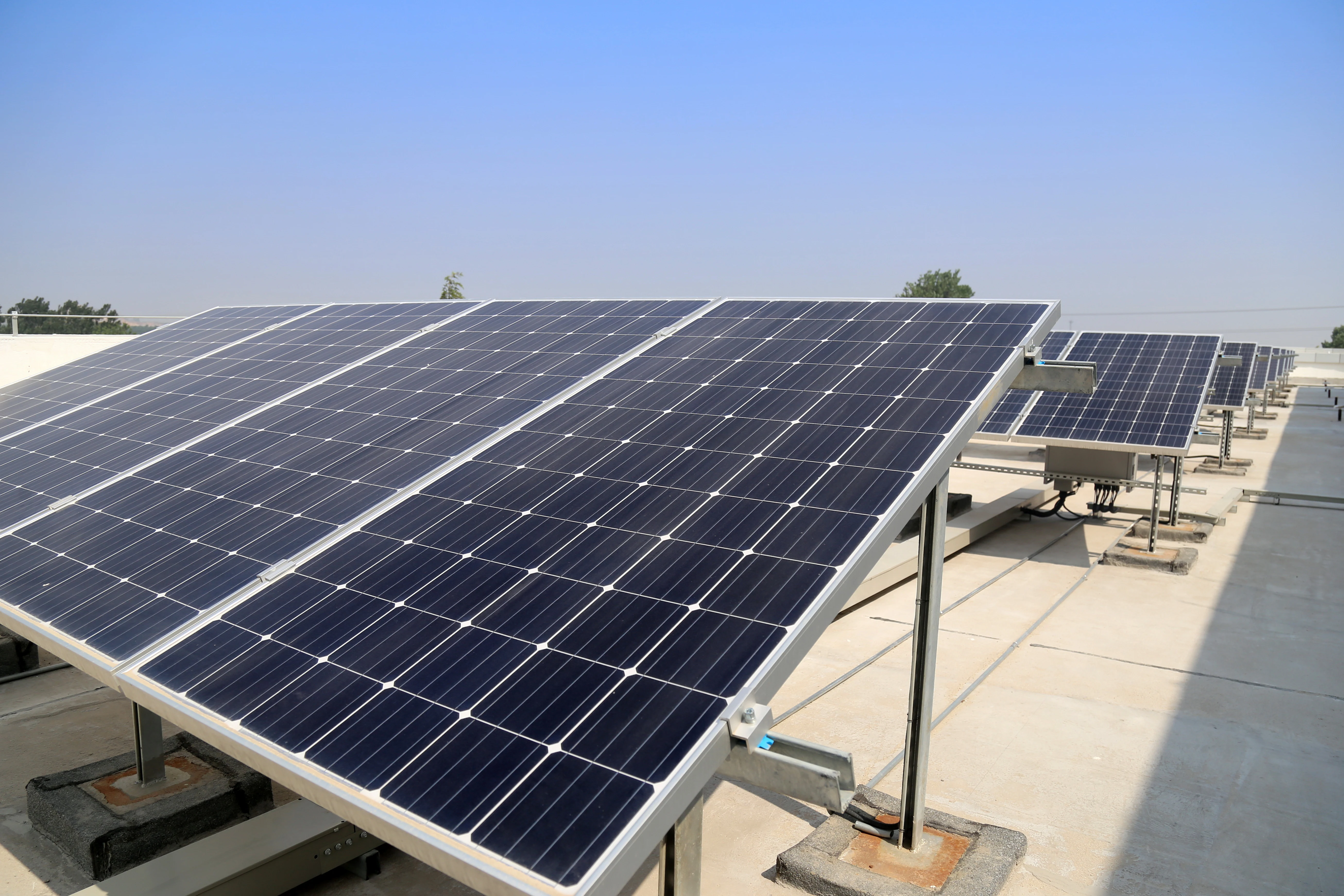
In a Rooftop Solar Plant, solar panels are installed on the roof of the building that converts sunlight into clean electricity to power the household, reducing bills and reliance on the grid. The process helps households convert their idle rooftops into a smart investment opportunity, generating savings all over years.
This system can be grid-connected, off-grid or hybrid system.
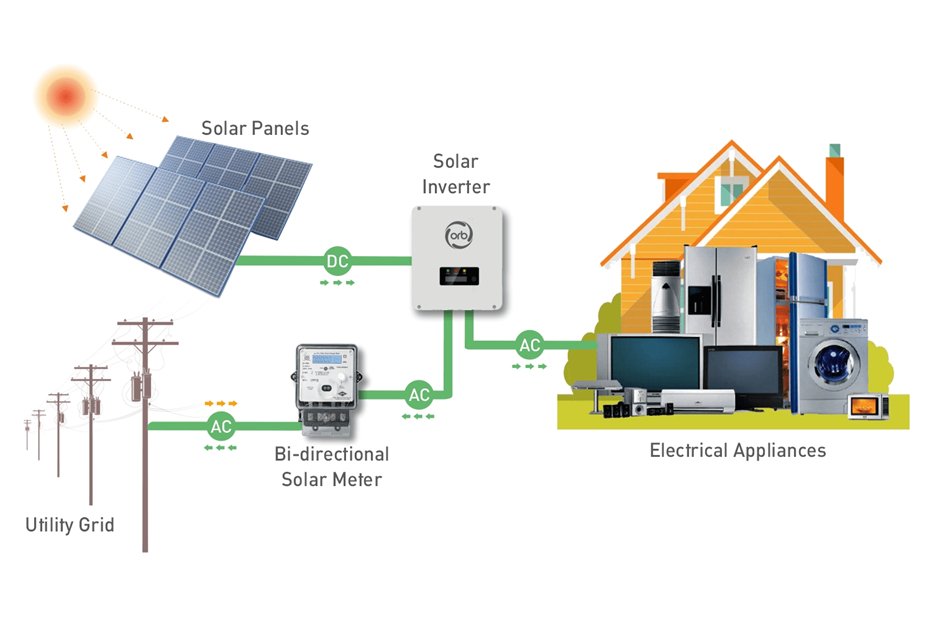
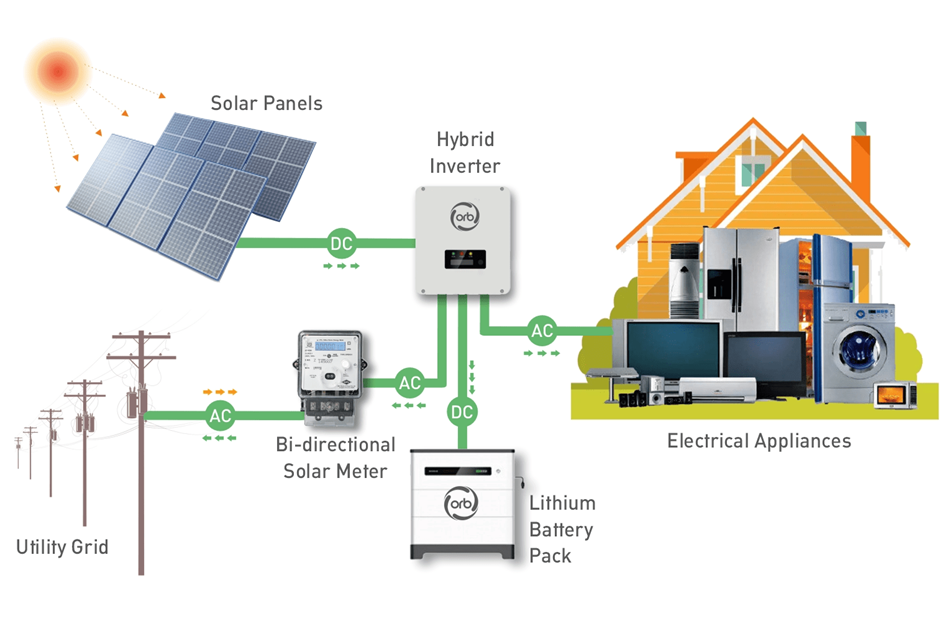
Grid-connected systems are one of the most popular types of rooftop solar installations that serve as a perfect long-term investment. The grid-connected systems with net metering allow households to consume the solar power they need, and sell the excess power back to the electricity board. A bidirectional electricity meter keeps track of the electricity you import from the grid and the solar electricity you export from the grid. At the end of every month, if the photovoltaic solar capacity generated is more than your consumption, it will result in a credit or reduction in electricity bill.
A hybrid rooftop solar system generates solar power which can be used for self-consumption during the daytime and stores the residual power in a lithium battery pack for usage during power cuts or at night. An additional feature of a hybrid solar system is that it can continue to charge the battery during the daytime even during power cuts. Excess electricity, even after consumption and storage, is exported to the grid as long as the grid is operational.
Furthermore, when solar power is insufficient, like during the monsoon season or at night when more power is needed than the batteries can provide, energy is drawn from the grid to power your electrical loads. A net meter, also known as a bi-directional meter, measures the flow of power in both directions and computes net electricity consumption at the end of the billing period. You will only be required to pay for the net electricity consumed.
A hybrid solar system is an advanced energy solution that combines solar panels with battery storage and grid connectivity. Unlike traditional on-grid systems, a hybrid solar setup ensures uninterrupted electricity even during power cuts. It smartly switches between solar power, battery storage, and the grid—offering the best of all worlds.
In the modern hybrid solar system Li-Fe Po4 batteries are used to store the energy, the batteries are supplied with up to 10years warranty. This system works good alternate for Diesel Generators in commercial utilities where the batteries are used to stores excess energy during daytime excess energy which is supplied to grid for which Electricity is paying less money.
Whether you live in areas prone to outages or want to cut down your energy bills, a hybrid system is an efficient, flexible, and future-ready choice for sustainable power.
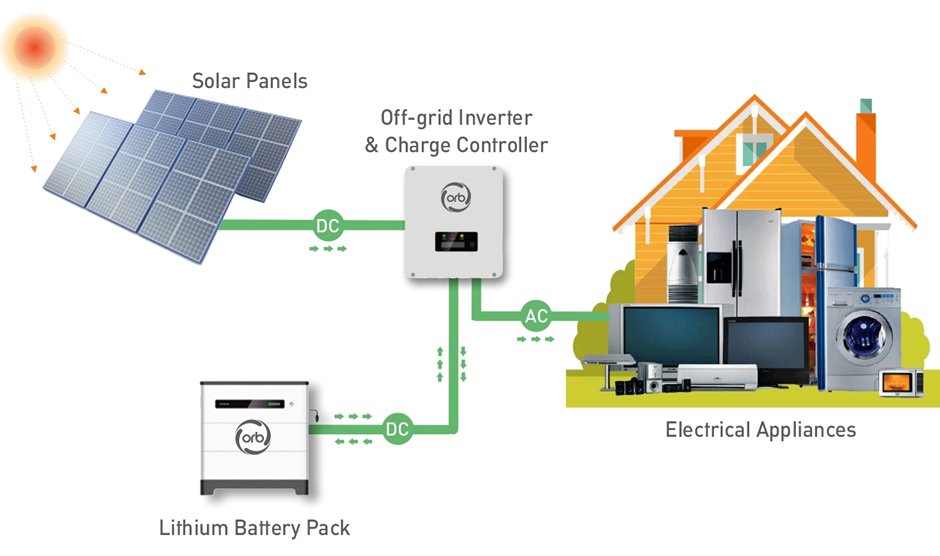
An off-grid solar system is ideal for those users who are located in remote or rural areas that are not connected to an electrical network / grid.
These systems offer complete independence from the electrical grid / network and help you generate and store electricity onsite in a lithium battery pack, according to your needs.
In order to further sustainable development and peoples well-being , Govt.of India has launched PM Surya Ghar: Muft Bijili Yojana. This Project, with an investment of over Rs.75,000 Crores, aim to light up 1 crore households by providing up to 300 Units free electricity every month.


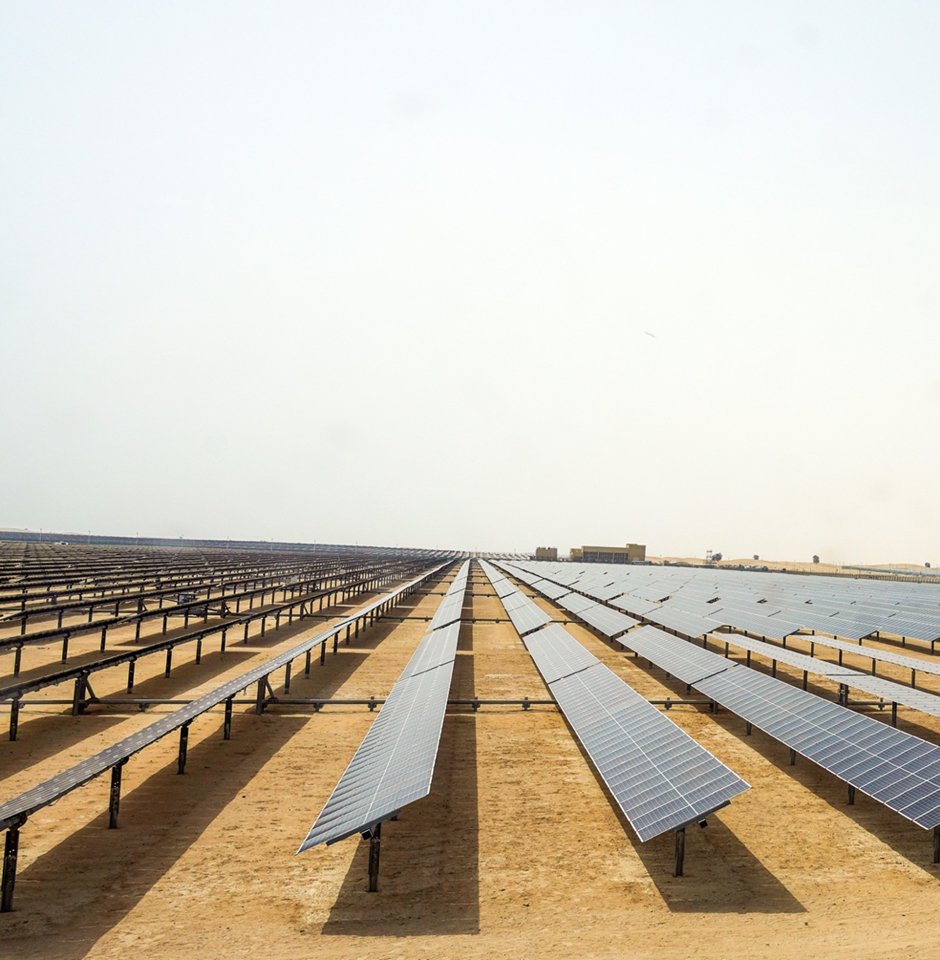
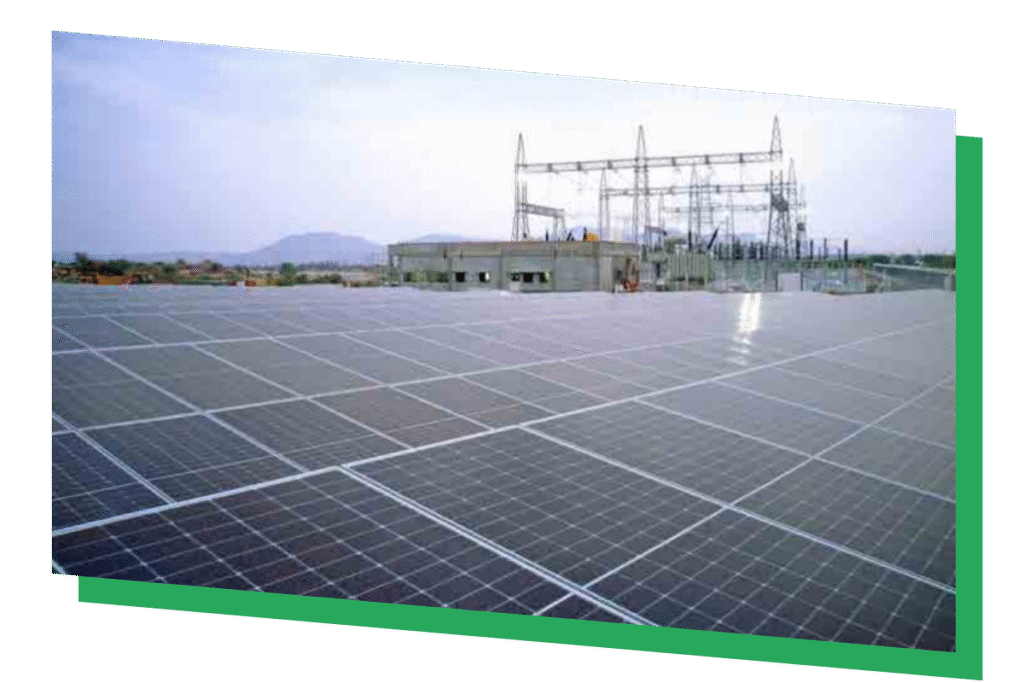
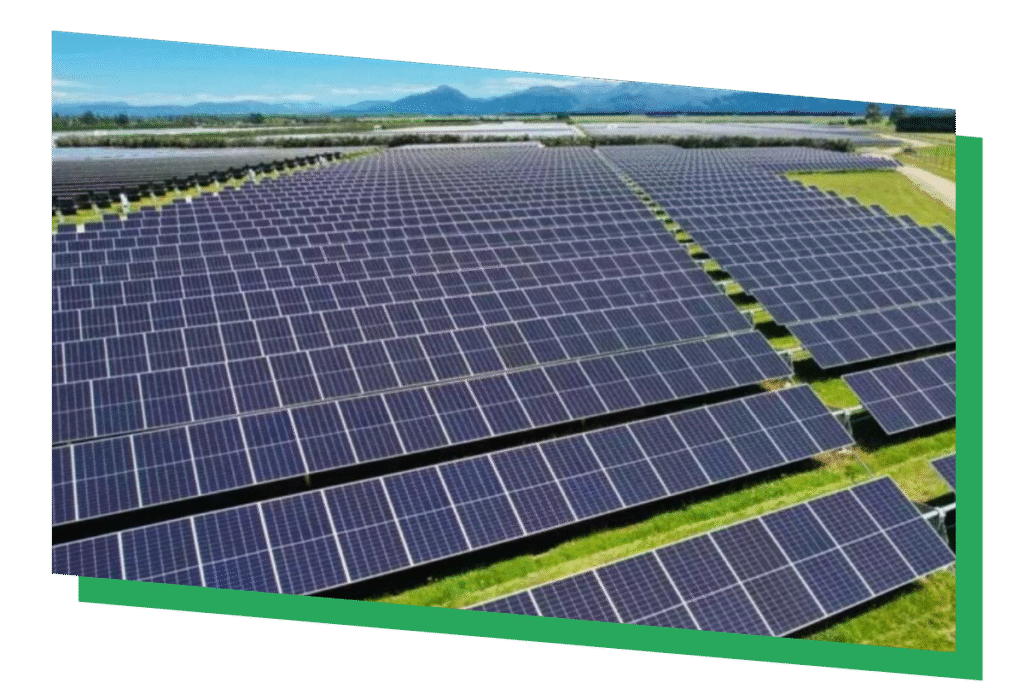
Utility-scale solar project is a large solar power plant, typically over 1 megawatt (MW), built to generate electricity and supply power for the electricity grid. These massive installations use thousands of panels, converting sunlight into electricity which is then fed into the transmission lines via substations, often under long-term power purchase agreement with utility companies.
Solariz Green Power has developed MW scale land mounted utility scale power plants on Engineering, Procurement and Construction and Commissioning basis, which injects power to state utility grids.

On-grid systems typically have lower upfront costs compared to off-grid systems, as they do not require expensive battery storage.

On-grid systems provide continuous access to power. By being connected to the utility grid, on-grid systems have access to unlimited power, ensuring that energy needs are always met.

Many regions offer net metering, which allow user to earn credits for excess energy fed back to into the grid, effectively reducing their electricity bills and even result in payments from utility company in some cases.

Governments and local authorities often provide financial incentives, such as tax credits and rebates, to encourage the adoption of solar energy, making on-grid systems more affordable.

On-gird systems are relatively low-maintenance, primarily because they lack complex battery storage components, solar panels and inverters require minimal upkeep.
| Grid-Connected System Without Batteries (On-Grid System) | Grid-Connected PV System With Batteries (Hybrid Solar System) | Off-Grid PV System |
|---|---|---|
| Connected to the main utility grid | Connected to the main utility grid and a battery bank, usually composed on lithium batteries | Standalone system not connected to the grid Connected only to a battery bank usually composed of lithium batteries |
| Equipment required: Solar inverter Solar panels Bidirectional meter A grid Mounting structures Solar accessories | Equipment required: Solar inverter Solar panels Bidirectional meter A grid Batteries Mounting structures Solar accessories | Equipment required: Solar inverter + solar charge controller Solar panels Batteries Mounting structures DC disconnect Backup generator(optional) Solar accessories |
| Cheapest and most cost-efficient | Most expensive | More expensive than on-grid solar systems |
| It is highly efficient as the energy is drawn directly from the sunlight | It is highly efficient as the energy is drawn directly from the sunlight | The efficiency decreases over time as the battery bank gets older |
| Government provides subsidy for residential installations | Government provides subsidy for residential installations | Government does not provide any subsidy |
Generate electricity efficiently while staying connected to the utility grid. Our On-Grid systems are ideal for minimizing electricity bills by utilizing solar power during the day. Any excess power generated is automatically exported back to the grid, often earning you credit through net-metering policies. We ensure seamless installation and maximum performance with high-quality components and expert integration with your existing electrical infrastructure.
We deliver comprehensive solutions for large-scale ground-mounted solar farms and independent power projects. Our expertise covers every phase, from detailed site assessment and financial modeling to engineering, procurement, and construction (EPC). These massive installations are designed for maximum energy generation, contributing significantly to the nation’s energy infrastructure and providing long-term profitability for investors.
Experience maximum energy independence by combining solar generation with reliable energy storage (battery backup). Our Hybrid systems are designed to utilize solar power directly, store surplus energy for use during grid outages or at night, and optionally interact with the main grid. This setup provides unparalleled flexibility, ensuring continuous power supply and optimized energy management for critical loads, regardless of external conditions.
Identify hidden energy wastage and optimize consumption across your facility with our comprehensive energy audits. Our certified experts conduct detailed analysis of your power usage, equipment efficiency, and operational patterns. We provide actionable recommendations and implement cost-effective measures to significantly reduce your overall energy expenses, improve sustainability, and maximize operational efficiency.